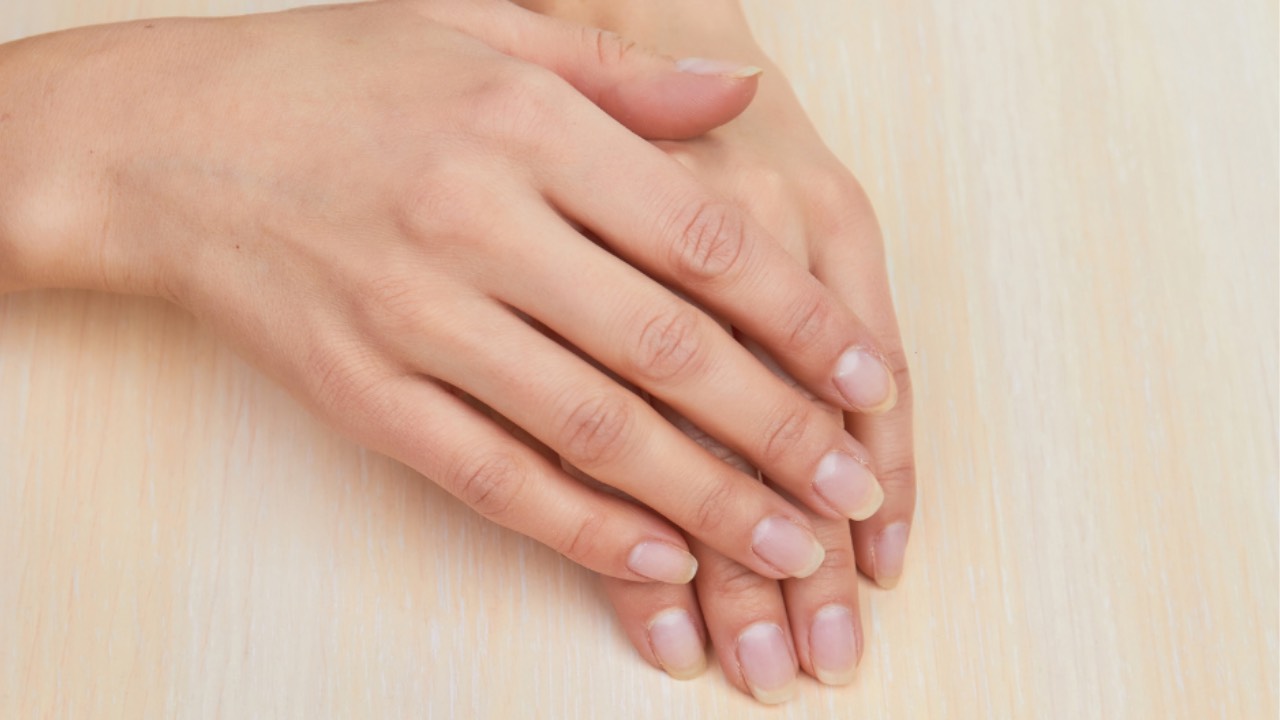
Do your nails chip, peel, or break if they even glance at a doorknob? You’re not alone. Brittle nails are a common frustration, turning simple tasks into potential disasters. While they might seem like just a cosmetic concern, they can often signal that our bodies or our habits need a little adjustment. The good news is that understanding the “why” is the first step to finding the “how to fix it.”
Why do nails become brittle?
Think of your nail as a layered structure made mostly of keratin, a protective protein. For it to be flexible and strong, it needs the right balance of moisture and oils. The most common culprit is simple dehydration. Just like skin, nails lose moisture from frequent hand washing, using harsh soaps, or overexposing them to dry, cold air or the dehydrating effects of acetone-based nail polish removers. On the flip side, too much moisture—like keeping hands in water for long periods while washing dishes or swimming—can swell the nail layers, and then shrink them as they dry, leading to weakness and peeling.
Beyond moisture, internal factors play a huge role. A consistent lack of key nutrients can starve the nail matrix (the growth engine under your cuticle). Notable deficiencies include biotin (a B-vitamin), iron (which helps carry oxygen to growing cells), and protein, the very building block of keratin. Sometimes, brittle nails can also be a gentle nudge from your body, pointing toward underlying issues like a thyroid imbalance or, more rarely, skin conditions like psoriasis. And let’s not forget daily wear and tear. Using nails as tools to open cans or scrape off stickers subjects them to trauma they’re not designed to handle.
How do we repair the damage and foster stronger growth?
The strategy is twofold: protect what you have and nurture what’s growing.
Start with gentle care. Swap harsh, drying soaps for moisturizing ones. Wear gloves for any task involving water or chemicals. Give your nails a break from polish and gels occasionally, and when you do remove polish, opt for an acetone-free remover. Most importantly, become best friends with moisturizer. Apply a thick hand cream or a dedicated nail oil (jojoba and vitamin E oils are excellent) every single day, massaging it into the nail plate and cuticles. This hydrates and improves the flexibility of the nail.
Next, look at your diet. You can’t paint strength onto nails from the outside alone. Feed them from within. Focus on a balanced diet rich in lean proteins (chicken, fish, beans), colorful fruits and vegetables, whole grains, and healthy fats. For an extra boost, foods like eggs, nuts, seeds, and spinach are packed with biotin and iron. If you suspect a significant deficiency, a chat with your doctor can determine if a supplement is right for you.
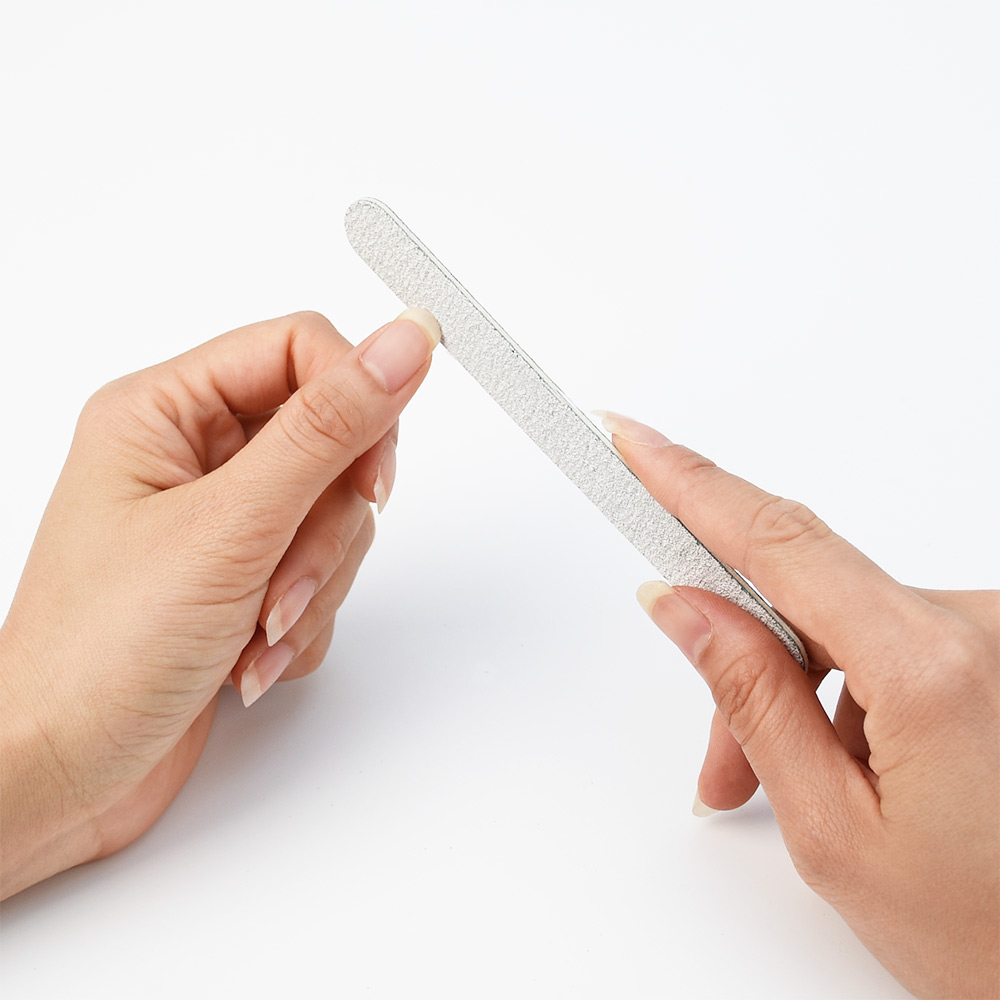
Finally, adopt habits that promote strength. Keep nails trimmed short to a rounded shape to minimize snagging and breakage. File them gently in one direction with a fine-grit nail file instead of sawing back and forth, which can cause tiny splits. Always buff nails lightly, if at all, as over-buffing can thin them. When working with your hands, be mindful. Use the pads of your fingers, not your nails.
Strong, healthy nails are a mark of care, not vanity. They reflect a balance of good internal nutrition and external protection. By tuning into the causes of brittleness—whether it’s a dry climate, household chores, or a lack of leafy greens—you can take practical, effective steps toward repair. Consistency is key. With a little daily hydration, mindful protection, and nourishing food, you can transform your nails from brittle to resilient. Start today, and soon you’ll notice not just stronger nails, but the quiet confidence that comes from nurturing your well-being in one more small, tangible way.
Read also: Understanding and Mastering the Baby Boomer Technique for Stunning Nails